Want to Help Feed Hungry Children in India? Here’s Where to Start
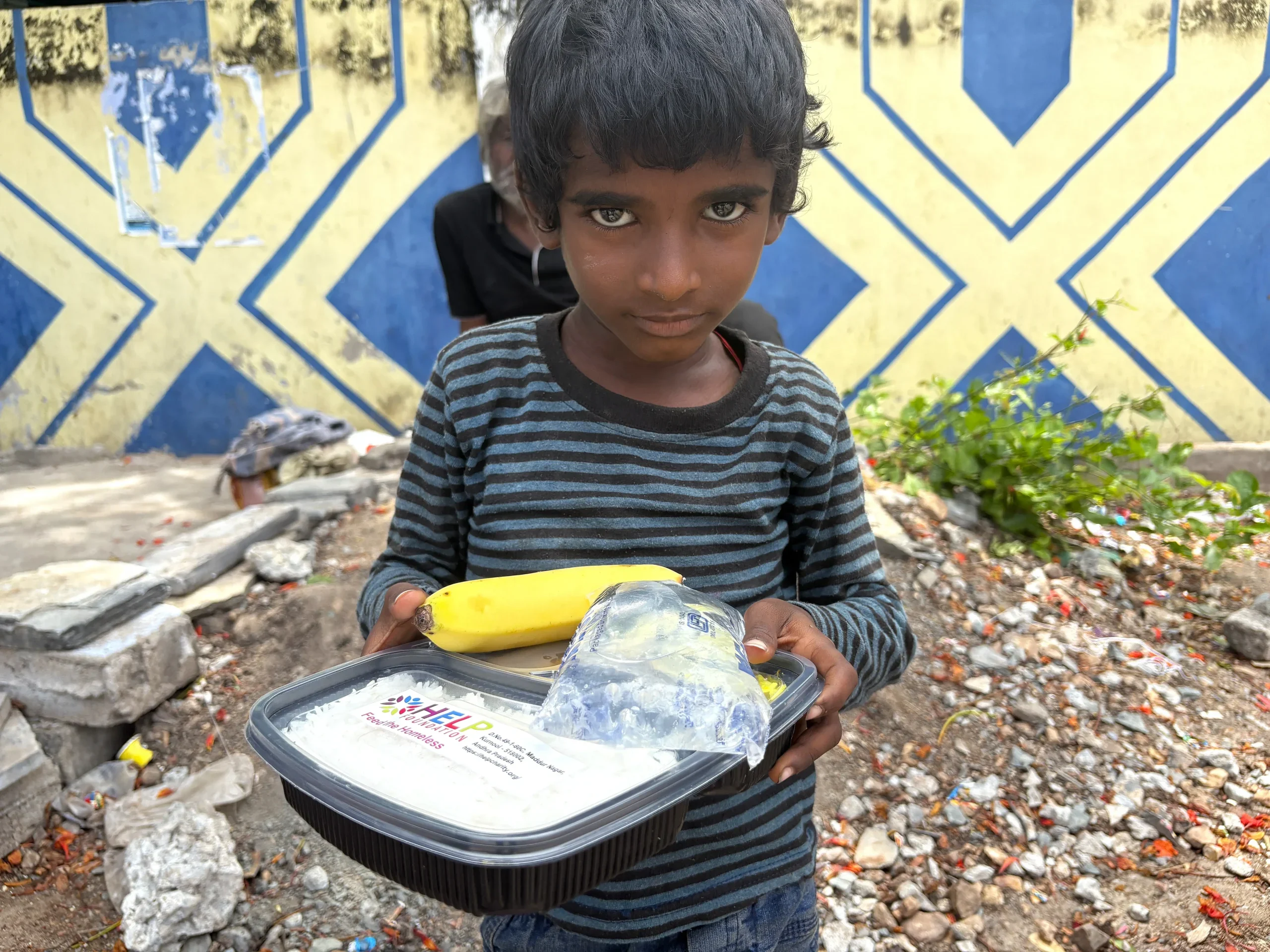
What if one simple act could help a hungry child enjoy a nutritious meal and focus better at school? You can help feed hungry children in India through school meal programs, food donations, and trusted nonprofits. Discover how even small contributions can make a meaningful difference.
How to Help Hungry Children in India
Every child deserves access to nutritious food. Yet, many children in India face challenges in getting regular, balanced meals. Financial difficulties, limited food resources and unexpected family hardships can make it difficult for parents to meet their children’s nutritional needs.
For a child, going hungry can affect much more than their daily food needs. Inadequate nutrition can affect children’s physical growth, energy levels, ability to concentrate and overall development.
How can you help hungry children in India? You can support school meal programs, contribute to community feeding initiatives, donate to trusted nonprofits, sponsor meals where available or raise awareness about child hunger. People living in the USA can also support charitable organizations working to improve food access in Indian communities.
When we understand what leads to child hunger, we can take better steps to address it.
Why Do Children in India Face Hunger?
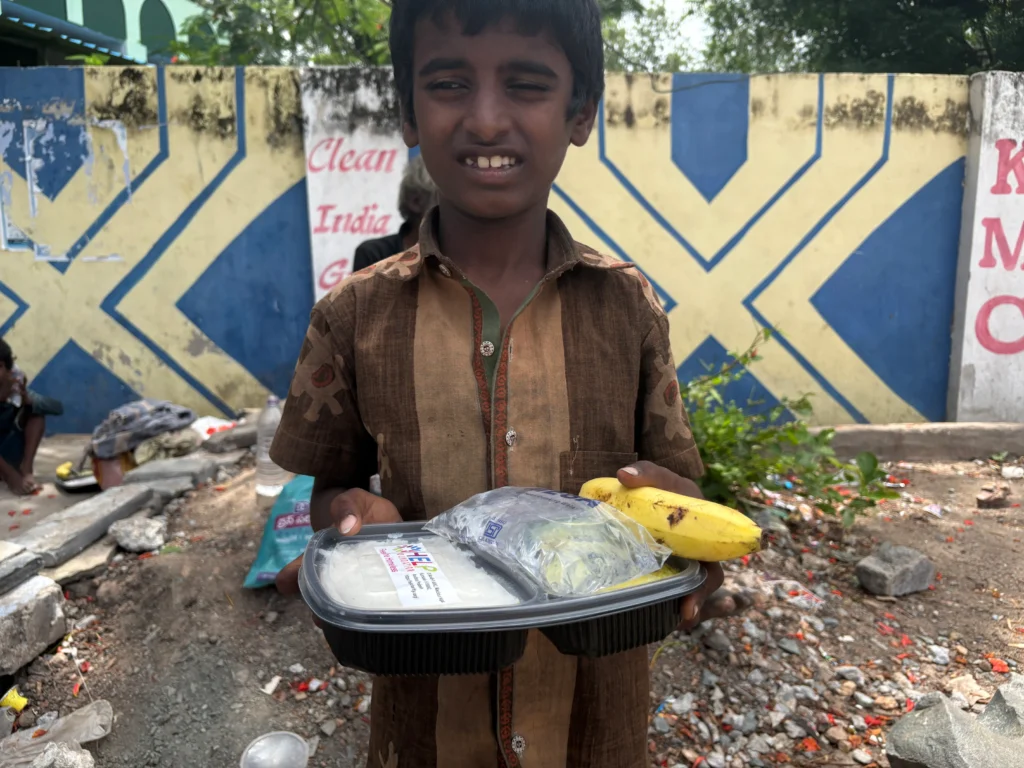
Child hunger is often connected to financial hardship, limited access to nutritious food and challenges faced by vulnerable families.
Some common factors include:
- Low household income: Families may struggle to afford sufficient food while managing education, housing and healthcare expenses.
- Limited access to nutritious food: Some communities face difficulties obtaining a balanced variety of food.
- Unemployment and financial emergencies: Sudden income loss can affect a family’s ability to provide regular meals.
- Food insecurity: Uncertain access to adequate food can make it difficult for children to maintain healthy eating habits.
Addressing these challenges requires both immediate food assistance and long-term community support.
How Hunger Affects Children’s Health and Education
The food children eat affects how their bodies grow and how their minds develop.
Children who do not receive enough nutritious food may experience tiredness, difficulty concentrating and challenges maintaining healthy growth. Hunger can also affect their participation in school activities and learning.
According to UNICEF India, improving children’s nutrition is an important part of supporting their health and development.
Alongside nutrition, access to education and learning resources also contributes to children’s well-being. You can explore ways to support children’s education in India through educational material assistance.
What Programs Help Feed Hungry Children in India?
Different food assistance programs help children access meals through schools, local communities and nonprofit initiatives. Each programme serves a different purpose depending on the needs of the children and families it supports.
School Meal Programs
School meal programs provide food to children during the school day. They help improve access to meals while supporting children’s participation in education.
India’s PM POSHAN initiative is an example of a government school meal programme designed to provide nutritional support to eligible schoolchildren.
Such programs aim to:
- Improve access to meals during school hours.
- Support children’s nutritional needs.
- Encourage school attendance and participation.
- Reduce some of the food-related financial pressure on families.
Community Feeding and Nutrition Support
Community feeding initiatives provide food assistance to children and families experiencing financial difficulties.
These programmes may operate through community centres, local volunteer groups or nonprofit organisations.
Depending on the initiative, assistance may include:
- Cooked meals for children.
- Nutritious food packets.
- Essential grocery supplies.
- Food support for vulnerable families.
Some nutrition-focused initiatives also emphasise balanced meals containing grains, pulses, vegetables and other suitable food items.
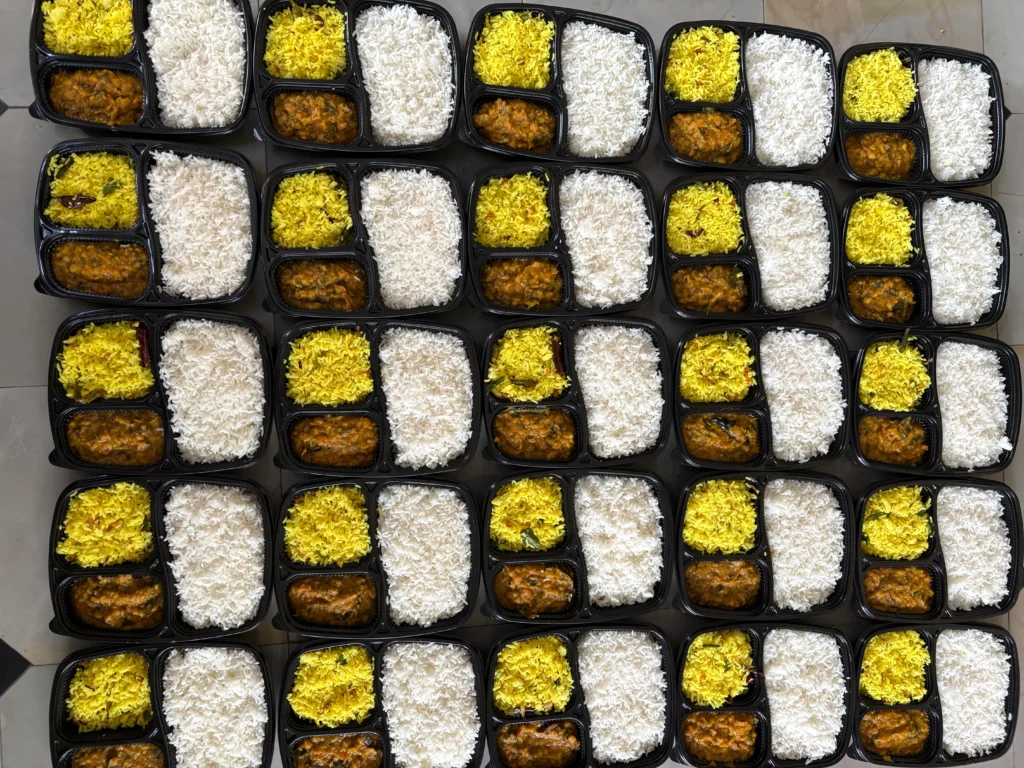
Emergency Food Assistance
Natural disasters, unemployment and unexpected financial difficulties can disrupt a family’s access to food.
Emergency food assistance programmes help vulnerable households obtain essential food supplies during difficult periods.
This type of support can help families manage immediate food needs and maintain more consistent access to meals for their children.
How Can You Help Hungry Children in India?
There are several practical ways individuals can contribute to efforts addressing child hunger.
- Donate to food assistance programs
Financial contributions can help charitable organisations purchase ingredients, arrange food supplies and support meal distribution activities.
- Support community feeding initiatives
Community-based programmes can provide food assistance to vulnerable children and families. Supporting established local initiatives is one way to contribute to their work.
- Sponsor meals for children
Some charitable programmes offer meal sponsorship opportunities. Depending on the organisation, contributions may support individual meals or ongoing feeding activities.
- Volunteer with nonprofit organisations
Volunteers may assist with food preparation, distribution, fundraising or community awareness activities, depending on the organisation’s requirements.
- Raise awareness about child hunger
Sharing reliable information about food insecurity and trustworthy charitable initiatives can encourage others to participate.
You can support children in need through simple actions, even without running a major fundraising event. Supporting an established food assistance initiative is one practical way to help children in need.
How Do Food Donations Reach Children in Need?
Food donations can support different stages of a feeding initiative, from purchasing ingredients to distributing meals. Understanding this process can help donors see how their contributions may be used.
Although the exact process varies between organisations, a typical food assistance programme may involve the following steps.
Purchasing Food and Arranging Resources
The first step is arranging the resources needed for the programme.
Donations may help cover:
- Food ingredients and grocery supplies.
- Packaging materials.
- Transportation expenses.
- Meal preparation and distribution costs.
- Other essential programme expenses.
Organisations plan their activities based on the number of people they intend to support and the resources available.
Preparing Meals and Distributing Food to Children
For cooked-meal programmes, food ingredients are purchased and meals are prepared according to the programme’s requirements. Safe preparation, clean cooking areas, proper storage and hygienic food handling are important when providing meals to children.
Once prepared, meals may be distributed through schools, community centres or other selected locations, depending on the feeding initiative.
Monitoring Food Distribution and Reporting Activities
Keeping records helps organisations understand how their programmes are working.
Depending on the initiative, records may include:
- Number of meals distributed.
- Communities and locations reached.
- Food supplies purchased.
- Programme activities and updates.
Clear reporting helps donors understand how contributions support food assistance activities.
For example, a community feeding initiative may identify children who need support, arrange food supplies, coordinate meal preparation and distribute food at a selected location. The organisation may then record the activity and share updates with its supporters.
This is an illustrative example. The actual process depends on the organisation and the programme.
How Can People in the USA Support Child Feeding Programs?
Living outside India does not prevent individuals from supporting charitable efforts that address hunger.People in the USA can contribute to eligible nonprofit organisations supporting food assistance initiatives in India.
Before making a donation, consider these steps:
Choose a Registered Nonprofit Organisation
Check whether the organisation is legally registered and has a clear charitable purpose.
For US-based nonprofits, donors can verify tax-exempt status through the IRS Tax Exempt Organization Search.
Understand the Food Assistance Programme
Review the organisation’s activities and the communities it intends to support.
Look for clear information about the type of food assistance provided, the programme’s purpose and its intended beneficiaries.
Check Donation Transparency
Look for information explaining how contributions are used.
Programme updates, activity reports, photographs and distribution records can help donors understand the organisation’s work.
Consider Ongoing Support
Where available, recurring donations may help organisations plan their food assistance activities more consistently.
Review Tax Information
US donors should confirm whether their contributions qualify for tax deductions under applicable IRS rules. Tax treatment depends on the organisation’s status and the donor’s circumstances.
Donors in the UK can also explore suitable charitable organisations supporting communities in India. However, donation eligibility and tax benefits depend on the organisation’s registration and applicable UK rules.
Help Support Food Assistance in India
Helping hungry children in India begins with understanding their needs and supporting initiatives that improve access to nutritious food.
School meal programmes, community feeding activities, emergency assistance and responsible charitable contributions can all play a role in addressing food insecurity.
AADHI USA INC is a US-based 501(c)(3) nonprofit organisation supporting charitable initiatives and communities in India. Its work focuses on supporting grassroots efforts that address the needs of vulnerable communities.
If you would like to contribute to food assistance efforts, explore AADHI USA INC’s Feed the Hungry programme to learn more about its mission and available ways to support.
Together, we can support efforts that help make nutritious food more accessible to children and families in need.
Frequently Asked Questions About Helping Hungry Children
How can I help feed children in India from the USA?
Individuals living in the USA can support food assistance initiatives in India by donating to eligible nonprofits, sponsoring feeding programmes where available or raising awareness about child hunger.
What programs help provide food to children in India?
Children may receive food assistance through school meal programmes, community feeding initiatives, nutrition support programmes and emergency food distribution activities.
How can I choose a trustworthy food charity?
Review the organisation’s registration, mission, programme details, financial transparency and available activity reports. US donors can also verify the tax-exempt status of eligible organisations through the IRS.
Can small donations support child feeding programs?
Yes. Small contributions can help support food assistance activities when combined with other donations. The actual impact depends on programme costs, activities and how contributions are allocated.